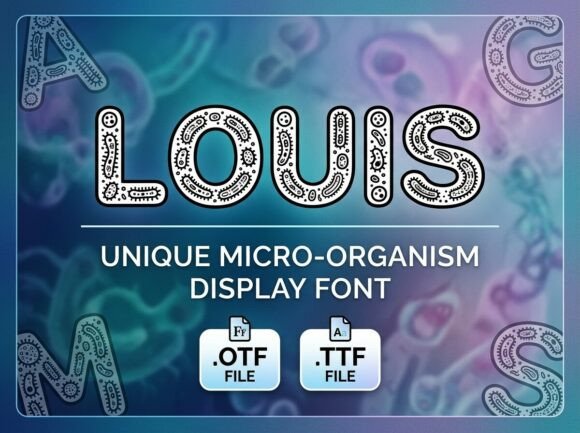
Using the Louis Display Font in Brand Design Projects
I recently sat down with a fresh branding project for a local artisanal skincare brand. The brief was clear: create something that felt luxurious, handcrafted, and memorable. As I opened my design board in Figma, I found myself drawn to Louis, a decorative display font that immediately caught my eye. It wasn’t just another pretty typeface — it had character, texture, and a visual magnetism that screamed “this is the one.” Let me walk you through how I integrated Louis into the identity of this small business.
First Impressions: What Makes Louis Stand Out
Louis isn’t your everyday display font. It’s bold, expressive, and has a distinct personality that makes it ideal for standing out in a crowded market. When I first tested it on a logo mockup, the letterforms brought a sense of elegance and creativity that perfectly matched the vibe of the brand. Each stroke felt intentional, each curve added a subtle flourish without overwhelming the design.
What I love about Louis is how it balances artistic flair with readability. Even though it's decorative, it doesn’t sacrifice legibility at larger sizes — which is crucial when designing logos or shop signage. The strong visual personality means it commands attention, but it also adapts well to different applications as long as it’s used thoughtfully and sparingly.
Testing Louis in Logo Design and Packaging Mockups
I started by placing Louis in a few logo concepts. The first iteration had it paired with a minimalist sans serif for contrast. That didn’t work — the two styles clashed too much. But when I paired it with a soft, modern serif, the result was harmonious and sophisticated. The combination allowed Louis to take center stage while still maintaining a professional feel.
Next up were the product labels. The brand sells natural face creams and body lotions in reusable glass jars. I wanted the typography to reflect quality and care. Using Louis for the product names gave them an instant premium look. The unique artistic elements made the packaging feel exclusive, like it was crafted for someone who values aesthetics as much as ingredients.
On the back label, where ingredient lists are usually dry and boring, I switched to a clean sans serif. This helped preserve the clarity of information while letting Louis shine in the headline. It’s all about hierarchy, and Louis does an excellent job of anchoring the most important message visually.
Bringing Louis to Social Media and Web Headers
One of the challenges I faced was translating the brand from print to digital. On Instagram posts, Louis worked wonders for headlines and short captions. Its strong presence ensured the content stood out even in fast-scrolling feeds. I used it for hero headers on the brand’s website as well, where it created a striking first impression without being over the top.
It’s worth noting that Louis isn’t suited for long-form text. Its decorative nature means it works best in short bursts — think taglines, headings, or brand slogans. I always remind clients that using it for body copy can hurt readability and dilute the impact they’re aiming for.
Real-World Observations: How Louis Looks in Practice
When I placed Louis on a mockup of a physical storefront sign, the results were impressive. The curves and flourishes gave it a warm, inviting feel — exactly what a small business wants to communicate. It also looked fantastic on printed materials like flyers and postcards, where high-quality visuals are essential for engagement.
I noticed that the font’s weight and spacing make it very adaptable for different backgrounds and color schemes. Whether it was sitting against a solid white backdrop or layered over a textured watercolor background, Louis retained its charm and clarity. This flexibility is rare in display fonts, especially ones with such a strong artistic voice.
Font Pairing Tips for Working with Louis
If you're considering Louis for your next project, here’s how I’ve successfully paired it:
- With a Serif Font: For a classic, elegant aesthetic. Think luxury brands or boutique shops.
- With a Sans Serif Font: To balance the decorative style with a more modern, clean feel. Ideal for digital branding or minimalistic layouts.
- Avoid Other Decorative Fonts: Unless you’re going for a maximalist vibe. Otherwise, stick to one showstopper per design system.
I recommend experimenting with contrasting weights. If the primary font is bold and playful, a secondary option should be lighter and more neutral. This ensures that Louis remains the focal point without making the rest of the design feel overshadowed.
Checking the Details Before Finalizing
Before locking in Louis for the full brand rollout, I double-checked the included styles and alternates. The font comes with several variants, including some subtle ligatures that add extra polish to phrases like “Louis & Co” or “Natural Skincare.” These little touches elevate the overall look and give designers more creative freedom.
Also, I confirmed that the font supports multilingual characters — a must-have if the brand plans to expand or engage a diverse audience. File formats were available in both OTF and TTF, which is great for cross-platform compatibility. And since the client intended to use the font commercially, I made sure the licensing covered everything from packaging to web headers and social media graphics.
Why Choose Louis for Your Branding Project
If you're working on a brand that needs a touch of originality and a strong visual hook, Louis could be the perfect fit. It’s not just a font; it’s a design element that speaks volumes before a single word is read. I've used it across multiple projects now, from a boutique coffee shop to a handmade jewelry line, and it always adds that special something.
For a skincare brand, Louis communicated craftsmanship and attention to detail. For a café, it evoked warmth and community. The key takeaway? Louis has a mood — and when you choose the right context, it becomes part of the brand story itself.
Practical Advice for Real Client Work
Here’s how I approach using Louis in real client work:
- Test it in different sizes and weights before committing. A bold version might be better for a logo, while a lighter variant could suit a poster headline.
- Use it in short form only — no more than three to four words. Long sentences lose the magic.
- Always pair it with a more neutral typeface for supporting text. This keeps the design balanced and readable.
- Consider the brand’s tone and target audience. Louis works best for businesses with a creative, artistic, or premium positioning.
I’ve found that it’s particularly effective for editorial design — like magazine covers or blog headers — where the title is the main attraction. In those cases, Louis helps set the tone and grab attention quickly.
Final Thoughts on Using Louis in Creative Projects
As a designer, I’m always on the lookout for display fonts that don’t just look good but actually enhance the brand’s message. Louis has become one of those fonts for me. It brings energy and emotion to a project without being gimmicky. It’s versatile enough to adapt to different platforms and contexts, yet bold enough to leave a lasting impression.
Whether you’re designing a new logo, crafting product labels, or building a website header, consider how Louis can help tell your brand’s story. Just remember to treat it like any other design asset — with intention and restraint. Used correctly, it won’t just stand out; it will speak volumes.