Koralline Font: A Playful Display Typeface for Creative Branding
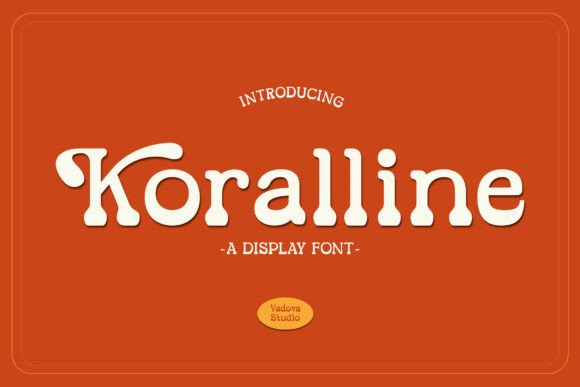
I recently opened a new brand board for a local artisanal skincare shop, and the first thing I did was clear my workspace of generic sans serifs and overly formal typefaces. This project needed personality — something that could reflect the warmth and care behind each product. That’s when I discovered Koralline, a bold and playful display font with just the right amount of charm and character.
As a designer, I’ve learned to trust my gut when selecting a typeface, especially for branding. Koralline caught my attention immediately with its rounded terminals and soft curves. It had a slightly retro vibe but also felt fresh and approachable. The organic shapes gave it a friendly energy, which is exactly what this client needed to stand out in a crowded market.
Testing Koralline on Logo Concepts
The first mockup I created used Koralline as the headline font in the logo. I paired it with a minimalist serif body font to balance the playfulness with readability. The result? A clean yet distinctive mark that instantly conveyed the brand's handcrafted, community-driven ethos.
I placed the logo across several scenarios: a storefront sign, a label sticker for a face cream jar, and a hero section on a website mockup. In every case, Koralline added visual interest without overwhelming the design. Its retro personality subtly hinted at authenticity, while the bold weight made it legible from a distance.
One thing I noticed early on was how versatile the spacing and kerning were. Even though it’s a display font, it didn’t feel too cramped or loose in different sizes. That flexibility is rare in fonts like Koralline, and it made me consider using it more broadly than just the logo.
Koralline for Packaging Design and Product Labels
Next, I moved into packaging design. For a small business, the product label can be the difference between being ignored and remembered. I tested Koralline on a mockup for a glass serum bottle and found that its friendly curves softened the otherwise sterile look of the product.
The font worked well for short bursts of text — like “Handmade With Love” or “Natural Ingredients.” These phrases became focal points, helping to establish a visual hierarchy that drew the eye toward key selling points. Since it’s a display font, I used it sparingly for longer descriptions, opting instead for a supporting sans serif to maintain clarity.
I also experimented with using Koralline in the brand’s social media graphics. On an Instagram post promoting their seasonal collection, the font helped create a warm, inviting atmosphere. The soft curves and bold presence made the text pop against natural textures like linen backgrounds and wooden accents.
How Koralline Enhances Brand Perception and Recognition
When you're designing a brand identity, the goal isn't just to make things look good — it’s about creating a lasting impression. Koralline does that effortlessly. Its unique style adds a sense of nostalgia, making the brand feel trustworthy and personal. At the same time, the modern use of negative space and contrast keeps it feeling current and relevant.
What stood out most was how quickly the brand materials began to feel cohesive once Koralline was introduced. Whether it was printed marketing materials or digital assets, the font created a consistent tone that carried through all touchpoints. Clients often underestimate how much a single typeface can influence brand recognition, but in this case, Koralline became the visual anchor that tied everything together.
Using Koralline in Flyers and Posters
For promotional materials, such as flyers and posters, I wanted to highlight the benefits of the products. Here, Koralline shined again. I used it for headlines and taglines, then layered it with a lighter sans serif for the body copy. The contrast between the two fonts made the content scannable and engaging.
On one poster mockup, the headline read “Glow Naturally, Live Beautifully,” set in Koralline. It looked great at 72pt and even better when scaled down to 48pt for a smaller flyer version. That adaptability is crucial for any display font, especially if you’re planning to print across various sizes and formats.
Font Pairing Tips When Using Koralline
Because Koralline has such a strong character, it needs a thoughtful partner to complement it. I recommend pairing it with a clean, neutral serif or sans serif font to keep your designs from becoming too busy. For instance, combining it with a simple Caslon or Lato allowed the boldness of Koralline to shine while ensuring the supporting text remained easy to read.
If you want to go bolder (pun intended), you can pair it with a script font for accent text. Just be careful not to overdo it — the last thing you want is a clash of styles. My rule of thumb is to let Koralline lead in headlines and use another font for secondary messaging or body copy.
Why Koralline Fits Well in Short-Form Text Applications
Display fonts are often reserved for logos and headers, but Koralline surprised me by working well in short-form text applications too. I tried it on a series of quote cards for the brand’s blog and was impressed by how readable it still was at smaller sizes. Of course, it’s not ideal for long paragraphs, but for pull quotes, headings, or callouts, it added a nice visual rhythm.
Its friendly nature also translated well to handwritten-style labels and packaging inserts. I used some alternates included in the font family to give the text a more personal feel, almost like a note from the founder themselves. This subtle touch helped elevate the brand experience from commercial to intimate.
Checking Out Included Styles and File Formats
Before finalizing anything, I always check the included styles and file formats of a font. Koralline came with multiple weights and some nice stylistic alternates — perfect for adding variation to a brand system. I appreciated having access to these options because they gave me more creative freedom without needing to source additional fonts.
The multilingual support was also a plus. The client planned to expand to other regions, and it was reassuring to know that Koralline could handle accented characters and non-Latin scripts with ease. As for file formats, I received both TTF and OTF versions, which is standard for commercial fonts and ensures compatibility across platforms and software.
Realistic Advice for Testing Koralline in Your Work
If you're considering using Koralline for a real project, here’s what I suggest: test it in context. Don’t just preview it on a screen — place it on a mockup of your actual deliverables. How does it look on a business card? What about a product label or a homepage hero banner?
Also, pay attention to color and texture. Because of its organic shapes, Koralline works beautifully with matte finishes, watercolor washes, or textured paper. But it can also hold its own against bold colors and modern gradients, depending on the mood you're going for.
Another tip is to evaluate its performance on different devices. While it’s primarily a display font, seeing how it renders on mobile screens or in email templates will help you understand its limitations and strengths before committing to a full brand rollout.
Practical Recommendations for Commercial Use
For those using Koralline in a commercial project, make sure to verify the licensing terms. Some display fonts come with restrictions on merchandise or web use, so knowing whether your chosen license covers these areas is essential. In my case, the client planned to use the font on branded merchandise like tote bags and stickers, so we checked the extended license to ensure coverage.
I also recommended including the font in a brand guidelines document, along with specific usage rules. Something like “Use Koralline only for headlines and short-form text to maintain readability and consistency.” Clear instructions help prevent misuse and keep the brand voice intact, especially when clients or team members are handling their own design work later on.
Final Thoughts on Koralline as a Display Font
In the end, Koralline proved itself to be a valuable addition to the brand’s visual language. It brought warmth, character, and a distinct personality to the table — all while maintaining enough professionalism to work across different mediums. From logo design to editorial layout, this display font delivered in ways I hadn’t anticipated.
As designers, we’re always looking for tools that help us tell a story. Koralline doesn’t just sit there — it contributes to the narrative. It’s bold where it needs to be, playful in the right doses, and surprisingly adaptable. If you’re working on a brand identity that leans into creativity, craftsmanship, or a bit of nostalgia, Koralline might just be the font you need to bring your vision to life.
So next time you open up a new brand project and find yourself reaching for the usual suspects, maybe it’s time to try something different. Give Koralline a chance — you might just discover a new favorite in your typography toolkit.