Cider Font: A Sophisticated Display Typeface for Editorial Design
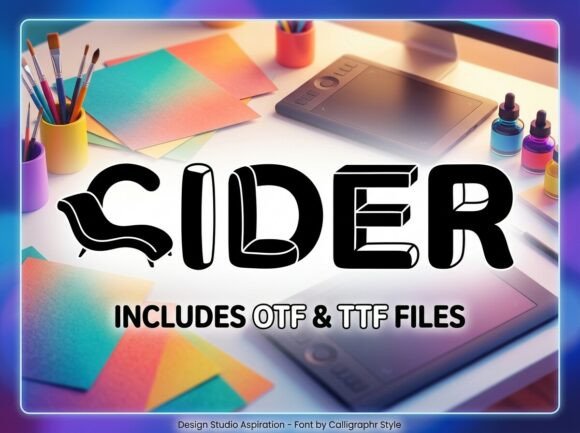
As a content creator or editorial designer, your workspace is more than just tools and templates — it's an environment where typography plays a pivotal role in shaping reader experience. Introducing Cider, a refined display font that blends architectural precision with a warm, curated aesthetic. Designed to elevate the visual tone of your publications, Cider brings a bold yet approachable rhythm to your layouts, making it ideal for anyone who wants their design assets to feel both modern and inviting.
Cider for Magazine Covers and Digital Publication Branding
Magazine covers are often the first point of contact between a publication and its audience. With Cider, you can craft compelling cover text that stands out without overwhelming. Its bold, architectural letterforms offer a strong presence while maintaining a sense of balance and elegance. Whether you're designing for print or digital, Cider’s display font character makes it perfect for headlines and brand statements that demand attention but also exude sophistication.
For digital product creators, this typeface can anchor your publication identity. Use it consistently across titles, bylines, and even social media teasers to build a cohesive brand identity. The rhythm of each glyph ensures legibility at large sizes, which is crucial when creating thumbnails or promotional banners for online magazines and newsletters.
Cider in Blog Headers and Newsletter Titles
If you run a blog or send out a regular newsletter, the right Fonts can make all the difference. Cider excels as a header font, especially in minimalist layouts where clean design meets impactful typography. Its structured form complements photography-based headers and works well in both monochrome and full-color formats.
Consider using Cider for your next lifestyle blog launch. It pairs beautifully with soft pastel backgrounds or stark white spaces, allowing the text to breathe while still feeling intentional. For newsletters, apply it to your subject lines or main headings to create a consistent and professional look that readers come to expect from your content.
Cider for Chapter Openers and Ebook Titles
Ebook creators know the importance of a strong opening. Cider adds a touch of personality to chapter titles and front matter, making them visually engaging without sacrificing readability. This display font supports long-form content through its rhythmic structure, ensuring that each new section feels fresh and purposeful.
Its bold nature is particularly effective for ebook covers or landing pages, where it helps establish a premium font appeal. When used for titles, Cider commands respect and curiosity, drawing readers into the content with its confident architecture and curated soul.
Cider in Quote Graphics and Pull Quotes
Quote graphics are a staple in content marketing, lead magnets, and social sharing. Cider offers a unique opportunity to elevate these elements beyond generic sans serif choices. The architectural strength of its letterforms gives pull quotes a sense of gravitas, while the rhythm of its curves keeps the text from feeling too rigid or cold.
Try using Cider for featured testimonials in a course launch or key insights in a printable guide. Its display font style ensures that quote graphics remain readable across devices and screen sizes, helping maintain your publication’s visual hierarchy. The font’s versatility also allows for creative spacing and alignment options, so your pull quotes become more than just text — they become a design feature.
Cider for Wedding Guides and Event Publications
Wedding guides, event invitations, and themed publications benefit from fonts that marry elegance with clarity. Cider does exactly that. Its bold, architectural forms give it a sense of occasion, while the curated-and-comfortable soul prevents it from leaning too formal or stiff. This balance is essential for creating materials that resonate emotionally without compromising on readability.
Whether you’re crafting a digital wedding planner or designing a print layout for a luxury event magazine, Cider serves as a standout choice for title blocks, section dividers, and accent typography. It’s a premium font that aligns with high-end branding efforts, giving your designs the polished edge they need to impress clients and end users alike.
Cider in Printable Planners and Worksheets
Printable planners, worksheets, and downloadable templates require a font that looks great on paper and screen. Cider’s boldness ensures that headings and section titles remain clear and crisp, even when printed in lower resolutions. Its architectural rhythm also helps organize complex information visually, guiding the eye through dense layouts with ease.
Use Cider for month-overviews, goal-setting prompts, or cover art for coaching workbooks. As a display font, it doesn’t distract from the functionality of the document but instead enhances it by reinforcing structure and intent. Always check if the font includes weights suitable for body text, captions, or subheadings to ensure you have all the styles needed for a complete design system.
Cider for Lead Magnifies and Content Teasers
Lead magnets such as free PDFs, email series, and social media posts rely on visual appeal to convert casual browsers into engaged readers. Cider can help you create striking titles and headers that draw eyes and communicate value instantly. Its bold, architectural qualities make it ideal for short, punchy phrases like “7 Days to Clarity” or “The Ultimate Guide to Mindful Living.”
The curated-and-comfortable essence of Cider means it won’t clash with softer visuals or photographs. Instead, it complements them, adding a layer of sophistication that reinforces your content’s quality. Be sure to review any included alternates or ligatures to add subtle variation and keep your designs from feeling repetitive.
Font Pairing Strategies with Cider
Using a display font like Cider effectively requires thoughtful pairing. To maintain readability and contrast, pair it with a clean sans serif font or a classic serif font for body copy. For instance, a modern sans serif like Lora or Inter could provide excellent contrast in blog articles or ebooks, allowing Cider to shine in headers and titles without overpowering the rest of the layout.
When designing for newsletters or web content, consider how Cider interacts with smaller text. Its boldness is best reserved for accents, titles, and pull quotes. For navigation menus, footnotes, or captions, a lighter, more neutral font will preserve the flow of your publication. This approach not only supports visual hierarchy but also ensures your content remains accessible and scannable for mobile audiences.
Cider Across Platforms: Screen, Print, and PDF
A great Fonts must adapt seamlessly across mediums. Cider performs admirably in both digital and print environments. On screen, its bold strokes render clearly in web design and app interfaces, while in print, it retains its architectural integrity and elegant texture. This adaptability makes it a smart choice for multi-platform publishing strategies, including digital magazines and printable calendars.
When exporting to PDF or preparing for print, always test Cider at different sizes to confirm its performance. Display fonts often struggle at small sizes, but Cider maintains a surprising level of clarity due to its balanced proportions and rhythmic spacing. This consistency across formats is a rare trait among display fonts and a key reason why it appeals to editorial designers seeking reliability in their typographic choices.
Cider and Multilingual Support for Global Audiences
Global reach is becoming standard for many publishers and bloggers. If your content targets international audiences, verify that Cider includes multilingual support for the languages you publish in. While some display fonts lack comprehensive language sets, Cider has been thoughtfully designed to accommodate a wide range, ensuring your publication remains inclusive and professional no matter where it lands.
This makes it an excellent option for travel blogs, cultural magazines, or educational resources translated into multiple languages. The architectural foundation of the font provides a stable framework for diverse scripts, maintaining a cohesive visual tone throughout your publication.
Cider for Social Media Graphics and Visual Branding
Social media platforms are saturated with content, and standing out starts with typography. Cider is a display font that brings a distinctive visual voice to your graphics. From Instagram carousel headers to Twitter threads, it ensures your message is seen and remembered. Its bold forms cut through the noise, while its curated comfort keeps your brand tone aligned with a thoughtful, artisanal aesthetic.
Use Cider sparingly for maximum impact. Apply it to call-to-action buttons, signature lines, or branded hashtags. For longer captions or body text, switch to a complementary font to maintain legibility and pacing. This strategic use of Fonts helps reinforce your brand identity without overwhelming the viewer.
Commercial Licensing and Practical Applications
If you plan to use Cider in client projects, paid newsletters, or for-sale digital downloads, commercial licensing is a must. Make sure to review the font’s licensing terms before integrating it into your workflow. Many premium fonts allow for limited commercial use unless you purchase an extended license, especially for use in templates, packaging design, or mass distribution materials like printable planners and worksheets.
Once licensed, Cider becomes a powerful tool in your design arsenal. Consider how it can be applied to various parts of your content ecosystem: from the headline of your latest issue to the byline of your contributors. Its ability to convey both authority and warmth makes it adaptable for everything from literary journals to business newsletters.
Cider for Creative Blogs and Niche Magazines
Creative blogs and niche magazines thrive on unique typography that reflects their editorial voice. Cider fits perfectly in this space, offering a curated-and-comfortable vibe that resonates with readers looking for quality content. Its architectural letterforms bring a modern edge to traditional layouts, making it ideal for food blogs, wellness guides, or fashion-focused publications.
Imagine a recipe ebook where Cider headlines each section — “Breakfast,” “Lunch,” “Dinner” — while a softer serif font handles the ingredients and instructions. Or picture a digital magazine about urban gardening using Cider for its cover and section titles, grounding the entire publication in a strong, visual narrative. These are just a few examples of how a display font can shape the tone and usability of your content.
Cider as a Foundation for Reader Engagement
In editorial design, typography isn’t just about aesthetics — it’s about engagement. Cider supports this goal by guiding the reader’s eye through the page with its bold, rhythmic forms. It creates a natural pause at headings and sections, encouraging deeper reading and interaction with your material.
Its personality is unassuming yet powerful — not loud, but confident. This makes it an excellent choice for content that needs to feel authoritative but never alienating. Whether you're designing a reader-friendly blog post or a visually rich magazine, Cider helps you strike that delicate balance between form and function.
Cider in Web Design and Landing Pages
Web design for content-driven sites calls for fonts that perform across screens and scroll behaviors. Cider adapts well to responsive layouts, especially when used in hero sections, article titles, or landing page headers. Its architectural rhythm ensures that even on mobile, the font remains legible and visually appealing.
Pair it with subtle gradients or solid colors to emphasize key messages without overdesigning. Because it’s a display font, avoid using it in long paragraphs or navigation bars. Instead, let it take center stage in moments where you want to highlight a story, a call to action, or a thematic shift within your site’s content.
Cider for Long-Form Projects and Content Series
Long-form content, such as in-depth guides, white papers, or serialized articles, benefits from a font that can handle repeated use without losing its charm. Cider’s distinct character allows it to be used consistently across multiple pieces while remaining fresh and dynamic. Its bold, architectural traits lend themselves well to section headings, chapter openers, and recurring themes in your content series.
When working on a multi-part ebook or a season of a podcast companion guide, Cider can unify your visual storytelling. Just remember to evaluate whether it’s appropriate for every heading level. In some cases, a secondary weight or a similar typeface may be necessary to maintain visual variety and prevent fatigue.
Cider and the Rhythm of Modern Typography
What sets Cider apart from other display fonts is its internal rhythm — a subtle cadence that makes each line of text feel intentional. This rhythm is especially useful in editorial design where pacing matters. Whether you're laying out a poetry anthology or a business strategy guide, Cider adds a layer of movement to your static text.
Use it to create visual momentum in your layouts. For example, in a coaching workbook, alternating between Cider for chapter titles and a clean sans serif for exercises can help readers navigate the content intuitively. The curated-and-comfortable tone of the font ensures that even technical content feels welcoming and human.
Final Thoughts on Cider’s Place in Your Toolkit
While Cider may not be the go-to font for body text, it shines in areas where boldness and intentionality are key. As a display font, it supports a wide range of editorial applications, from magazine covers to blog headers, and from printable guides to social media assets. Its architectural qualities and curated soul make it a versatile addition to your typography toolkit, especially if you prioritize both beauty and readability in your work.
Next time you're redesigning your blog, launching a new issue of your newsletter, or preparing a digital magazine, consider how Cider can redefine your creative workspace. It’s more than just another font — it’s a design statement waiting to be made.