Amalt Font: A Modern Display Typeface for Web Designers
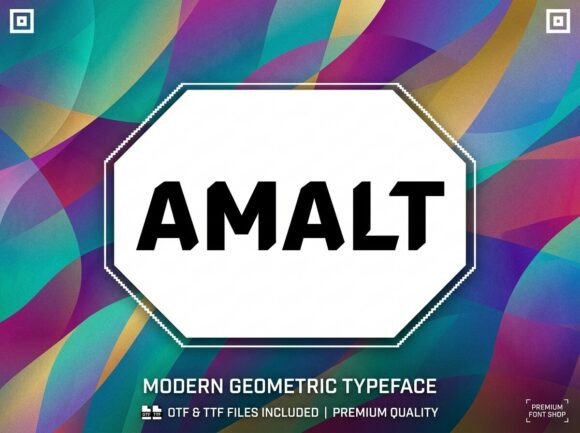
I was in the middle of redesigning a digital portfolio for a UX architect when I stumbled upon Amalt, a display font that immediately caught my eye. The client wanted something bold, futuristic, and architectural — not just another run-of-the-mill sans serif. As I explored their brand identity, it became clear that Amalt could be the perfect fit. Its heavy, geometric sans-serif letterforms exude a strong sense of clarity and structure while maintaining a modern edge.
Using Amalt in Website Headers and Hero Sections
Amalt is a display font built to make an impact. When I placed it in the hero section of the portfolio site, the visual weight and clean lines helped create a strong focal point. It worked especially well over a dark background, where its sharp angles stood out without appearing harsh. For website headers and large title sections, this kind of contrast is essential — it builds hierarchy and makes your message feel more authoritative.
I also noticed how Amalt handled long headlines on desktop and mobile views. Because it’s designed with geometric precision, it doesn’t distort or lose legibility when scaled down. This made it a great choice for both primary headers and secondary section titles. Just remember to pair it with a lighter body font to maintain balance and ensure content remains scannable.
Amalt for Product Landing Pages and Digital Campaigns
A few weeks later, I was working on a product landing page for a tech startup. The challenge? To reflect innovation and professionalism without coming off as too corporate. Amalt solved this by adding a touch of architectural design to the call-to-action buttons and key feature headlines. Its modern typography gave the site a sleek, contemporary look that resonated with the startup’s target audience — early adopters and digital professionals.
One thing I appreciated about using Amalt in this context was how it played well with image overlays. I used it for promotional banners where text sat directly over product visuals. The font’s high contrast and structured forms allowed it to cut through busy backgrounds without losing readability. For web designers who often work with layered compositions, this is a huge plus.
Amalt and Brand Consistency Across Platforms
As part of the project, we needed to build a cohesive brand kit that would span from the website to social media graphics and email templates. Amalt’s consistent geometry across all characters made it easy to adapt into various formats. Whether it was a short tagline on Instagram or a headline in a newsletter, the font maintained its integrity and voice.
This kind of versatility is rare in display fonts. Many have unique alternates or flourishes that can break consistency when used across platforms. But with Amalt, I felt confident that every use case — from a SaaS sales page to a campaign poster — would feel like part of the same visual language.
Readability Tips for Using Amalt in Responsive Layouts
While Amalt is a powerful display typeface, it’s important to consider its limitations. It shines brightest in larger sizes, so avoid using it for small buttons or form labels. I found that at 24px and above, it reads exceptionally well on both desktop and mobile screens. Below that, the heavy strokes start to feel too dense, making it harder to scan quickly.
- Use Amalt for headlines, titles, and key messaging areas.
- Limit usage to short phrases or sentences to preserve clarity.
- Ensure sufficient line spacing when stacking multiple lines of text.
- Test it on light and dark modes to confirm visual performance.
For mobile-first layouts, I recommend using Amalt sparingly. Too much of it can overwhelm the interface, especially if you’re designing for fast-loading visual content. Stick to one or two prominent spots — maybe a hero title and a subheadline — to let it shine without distracting users.
Amalt as a Logo Font Alternative
Logo design is another area where Amalt can really stand out. If your logo needs a modern, tech-forward feel, this font offers a strong base. I tested it on a mockup for a boutique online store and found that it worked surprisingly well as a logo font alternative, especially when paired with subtle color gradients and minimal spacing between letters.
However, because Amalt is a display font rather than a premium font optimized for logos, I always check the included styles before finalizing. Some versions may come with alternate glyphs or weights that allow for custom tweaks. If they don’t, there are many other logo fonts available — but Amalt certainly deserves a spot in your design toolkit for its boldness and architectural appeal.
Font Pairing Suggestions for Amalt
Every good display font needs a solid partner for body copy. With Amalt, I went with a simple sans serif for the supporting text — something like Inter or Lato. These fonts provide a neutral backdrop that lets Amalt take center stage without overwhelming the reader. It’s a classic approach to font pairing that works particularly well in editorial design and digital branding projects.
If you want a more editorial or professional tone, try pairing Amalt with a clean serif font in smaller sizes. This contrast adds depth to your layout and gives your content a more sophisticated feel. I’ve seen it work beautifully in course sales pages and blog header designs, where the display font grabs attention and the serif font provides a grounded, readable experience.
Amalt in Portfolio Sites and Creative Branding
Another time, I was building a portfolio homepage for a creative director who wanted to showcase their work in a bold, memorable way. Amalt was the obvious choice for the main headline and section titles. The geometric nature of the font aligned perfectly with the client’s architectural and industrial design background.
What impressed me most was how Amalt responded to different design assets. In video thumbnails and promotional images, it looked crisp and modern. On the website itself, it helped guide the user’s eye through each project, reinforcing the idea of structure and clarity. That’s the beauty of a strong display font — it doesn’t just look good; it helps tell the story of your brand or content.
Testing Amalt in Real Projects Before Committing
Before recommending Amalt for a client project, I always test it in real scenarios. I’ll preview it on a responsive landing page, see how it looks in a carousel, and even export a few sample graphics to assess its performance in print and digital ads. One trick I use is to overlay the font on a gradient background or photo to simulate how it might appear in a live environment.
During these tests, I pay close attention to scanning behavior. Users tend to skim websites quickly, so the font must support that instinct. Amalt did well in this regard — the angular shapes made it easier to read at a glance compared to more rounded or decorative display fonts. It didn’t slow down the user experience, which is a win for any web designer focused on conversion-driven layouts.
Amalt for Course Sales Pages and Editorial Design
Recently, I had the chance to use Amalt on a course sales page for a design education platform. The goal was to convey confidence and authority while keeping the layout fresh and engaging. Amalt delivered exactly that. It added a premium font quality to the headline and module titles, helping elevate the overall design assets and user trust.
Here’s how I applied it:
- Used the boldest weight for the main headline to grab attention.
- Opted for a slightly thinner weight for subheadings and module titles to differentiate levels.
- Paired it with a minimalist sans serif for descriptions and bullet points.
Key Considerations Before Choosing Amalt
When evaluating Amalt for a project, I always check a few things first:
- Are the included styles sufficient for the brand’s needs?
- Is the font available in webfont format for seamless integration?
- Does it support the languages and characters required for the audience?
- What file formats are provided (TTF, OTF, WOFF2)?
- What are the commercial font licensing terms for client projects or online stores?
Why Amalt Belongs in Your Display Font Collection
At the end of the day, Amalt isn’t just another display font — it’s a tool that can shape the mood and personality of your digital layouts. Whether you're creating a product landing page, a digital brand kit, or a coaching website, its heavy, geometric sans-serif style brings a level of sophistication that’s hard to match.
It’s not for every project, but for those that demand a tech-forward-and-architectural soul, Amalt delivers. From UI elements to branded web content, this font has proven itself in real-world scenarios. I’ve used it in campaigns, portfolios, and shop banners — and each time, it brought a fresh energy to the design.
If you’re looking for a display font that stands out without sacrificing readability, Amalt is worth exploring. It's not just about aesthetics — it's about crafting a better user experience and building a stronger brand identity in today’s fast-paced digital world.